Swiss Forests Under Pressure: Declining Growth Across All Altitudes
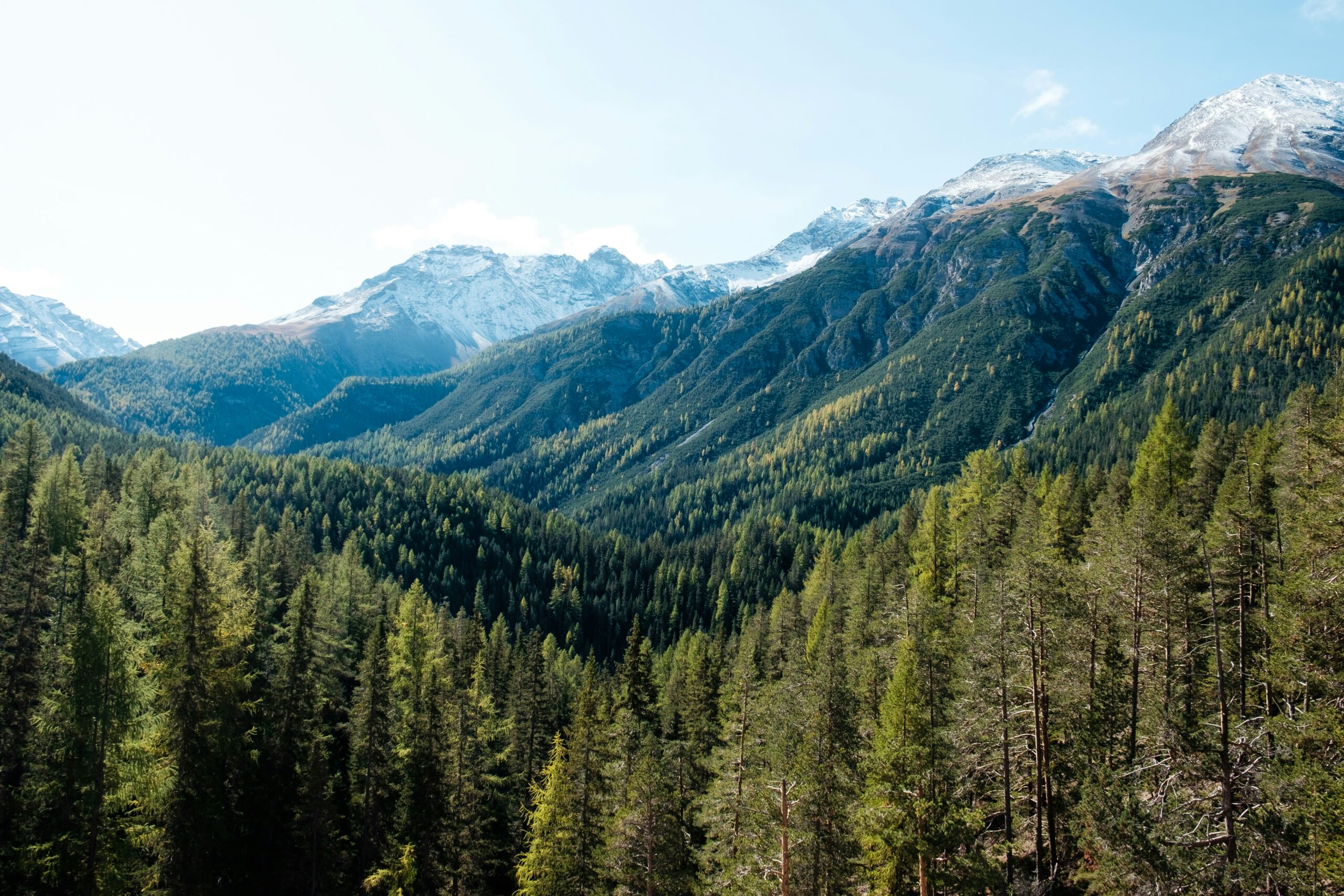
Forests play a crucial role in absorbing CO₂ from the atmosphere — but this capacity cannot be taken for granted. A new study published in Functional Ecology (Etzold et al., 2026) draws on 30 years of continuous forest monitoring at 18 sites across Switzerland, spanning elevations from lowland forests at 500 m up to mountain forests near the treeline at almost 1,900 m. The result is one of the most comprehensive long-term assessments of how climate change is affecting forest growth in Central Europe.
What the researchers found
Forest productivity — measured both as tree growth and as net carbon uptake — has been declining significantly since around 2012, with an accelerating drop after 2015. This trend was observed across all altitudinal zones, tree species, and age classes. Crucially, the decline cannot be explained simply by forests getting older or denser: even when accounting for stand structure, trees are growing less than they did in earlier decades.
The key driver? Water availability. Reduced soil moisture — increasingly linked to more frequent and intense drought and heat periods — emerged as the most important factor explaining the productivity decline. Nitrogen deposition also played a role, but water stress was dominant.
A surprising finding at high altitudes
It was long assumed that mountain forests might actually benefit from climate change: warmer temperatures and longer growing seasons were expected to boost growth at higher elevations. This study challenges that assumption. Even high-altitude forests showed declining productivity in recent years — not because the growing season got shorter, but because drought stress is increasingly limiting the number of days on which trees can actually grow, even in the mountains.
Why this matters
Forests are among the most important carbon sinks on Earth. If their growth capacity continues to decline, their ability to absorb CO₂ and buffer climate change is at risk. The study also raises concerns about the protective functions of forests — such as preventing landslides and avalanches — which depend on healthy, productive stands.
The findings send a clear message: as drought and heat events become more frequent, forest management strategies urgently need to be rethought. Ensuring that forests remain resilient and productive in a warmer, drier future is one of the central challenges ahead.
________________________________________
This study is based on data from the Swiss Long-term Forest Ecosystem Research programme (LWF), which is part of ICP Forests and contributes to the evidence base for understanding how European forests are responding to ongoing climate change — a core concern of the FORWARDS project.