The Meaning of Climate-Smart Forestry – A Narrative Literature Review
Climate-smart forestry (CSF) is gaining attention as forests are increasingly expected to support climate action while remaining resilient, biodiverse, and socially relevant. This review shows that the concept brings mitigation, adaptation, and the social dimension into a single discussion, but it is understood in different ways across the scientific literature.
These different interpretations can lead to different priorities, which matter because CSF is not only a technical question. Forest decisions involve trade-offs between carbon storage, timber production, biodiversity, adaptation, livelihoods, and local priorities. They also raise questions about who participates, who decides, whose knowledge is recognised, and how costs, risks, and benefits are shared.
A key finding is that mitigation and adaptation are usually well developed in the literature, while the social dimension receives less detailed attention. Many studies mention stakeholders, communities, forest owners, or practitioners, but they often give less attention to differences in power, responsibility, risk, and benefit. Questions such as who benefits from CSF, who bears the costs, whose knowledge is recognised, and who holds decision-making authority require more careful consideration.
The review also shows that most CSF research is concentrated in Europe and other high-income contexts. This means that current scientific understanding is strongly shaped by European forest policy, carbon accounting, bioeconomy debates, and institutional settings. More research is needed on how CSF is understood and practiced across regions, including areas where land tenure, livelihoods, local knowledge, restoration, and community forest use may play a stronger role.
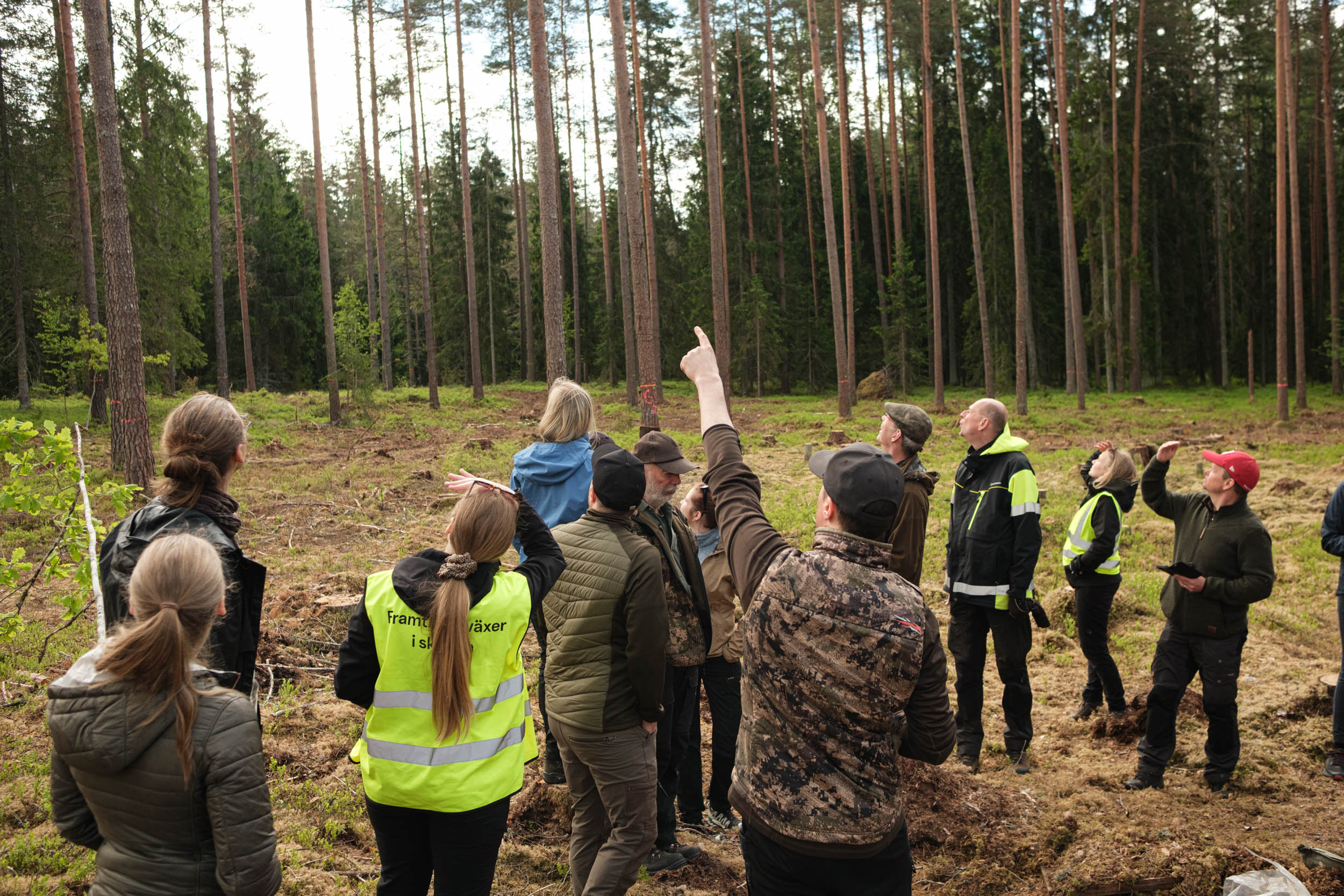
For FORWARDS, these findings reinforce the importance of connecting scientific evidence with regional and local experience. Through participatory and co-design processes, stakeholders and citizens can reflect on forest risks, discuss possible management responses, and contribute their priorities and knowledge to regional CSF and restoration pathways. This can help make trade-offs, local priorities, and different forms of knowledge more visible when developing climate-resilient forest futures.